
Introduction
Water intrusion is one of the most common and costly issues faced by homeowners across Ontario. With frequent rain, snowmelt, and freeze–thaw cycles, foundations are constantly exposed to moisture pressure. When water finds its way into a basement or crawl space, it can lead to structural damage, mold growth, and long-term property value concerns.
Two primary solutions are typically recommended: interior waterproofing and exterior waterproofing. While both aim to manage water and protect the foundation, they work in very different ways. Understanding how each method functions—and which is better suited to Ontario properties—can help homeowners make informed, cost-effective decisions.
Understanding the Waterproofing Challenge in Ontario
Ontario’s climate creates unique conditions for foundation moisture problems. Heavy rainfall, spring snowmelt, clay-rich soils, and fluctuating temperatures all contribute to water buildup around foundations. As soil expands and contracts during freeze–thaw cycles, small foundation cracks can develop, allowing moisture to enter.
Because these issues are often ongoing rather than one-time events, waterproofing solutions must be durable, adaptable, and suited to local conditions rather than short-term fixes.
What Is Interior Waterproofing?
Interior waterproofing focuses on managing water after it enters the foundation. Instead of stopping moisture at the exterior wall, this approach controls how water is collected and redirected once it reaches the basement.
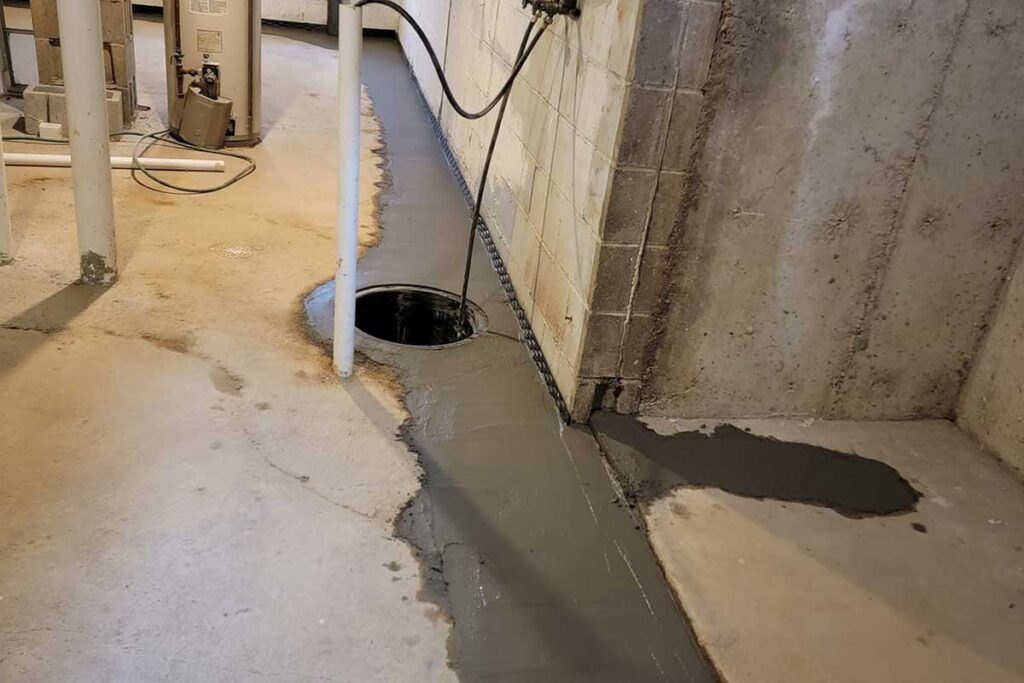
Typical interior waterproofing systems include perimeter drainage channels, sump pumps, weeping tiles installed along basement floors, and vapor barriers on interior walls. These systems guide water away from living spaces and safely discharge it outside.
Interior waterproofing does not prevent water from reaching the foundation, but it effectively prevents flooding, pooling, and visible damage inside the home.
Advantages of Interior Waterproofing
Interior waterproofing is often faster and less disruptive than exterior solutions. Since all work is performed inside the home, there is no need for excavation, landscaping removal, or interference with driveways and walkways.
It is also generally more affordable, making it an attractive option for homeowners dealing with recurring basement leaks, minor seepage, or seasonal moisture issues. Interior systems perform well in Ontario homes where water pressure is manageable and foundation walls remain structurally sound.
Another advantage is year-round installation. Interior waterproofing can often be completed even during colder months when exterior excavation may not be practical.
Limitations of Interior Waterproofing
While effective for water management, interior waterproofing does not address the root cause of moisture intrusion. Water still makes contact with foundation walls, which can contribute to long-term deterioration if exterior conditions worsen.
For homes experiencing severe hydrostatic pressure, significant foundation cracking, or exterior wall damage, interior systems may act more as a containment solution than a preventative one.
What Is Exterior Waterproofing?
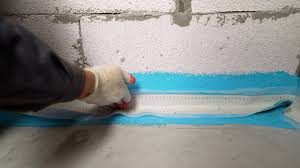
Exterior waterproofing works by stopping water before it enters the foundation. This method involves excavating around the home’s perimeter to expose the foundation walls. Once exposed, cracks are repaired, waterproof membranes are applied, and drainage systems are installed to redirect water away from the structure.
This approach directly protects the foundation from moisture exposure and is often considered the most comprehensive waterproofing solution.
Advantages of Exterior Waterproofing
Exterior waterproofing addresses the source of the problem rather than the symptoms. By sealing foundation walls and improving drainage, it reduces hydrostatic pressure and prevents water from ever reaching interior spaces.
For Ontario properties with persistent water issues, aging foundations, or visible exterior cracks, exterior waterproofing offers long-term protection and structural preservation. It can significantly extend the lifespan of a foundation and reduce the risk of future repairs.
This method is especially effective for older homes that were built without modern waterproofing materials or drainage systems.
Limitations of Exterior Waterproofing
The primary drawback of exterior waterproofing is cost and complexity. Excavation is labor-intensive and may require removing landscaping, decks, patios, or driveways. The project timeline is typically longer, and work is more weather-dependent, which can be a factor in Ontario’s colder months.
However, despite the higher upfront investment, exterior waterproofing often delivers lasting value by preventing recurring issues and reducing future repair needs.
Which Option Is Better for Ontario Homes?
The better solution depends on the severity and cause of the water problem. Interior waterproofing is often sufficient for managing minor leaks, condensation, or water that appears during heavy rainfall. It’s a practical choice for finished basements where excavation is not feasible or when budget constraints are a concern.
Exterior waterproofing is generally better suited for homes with chronic water intrusion, foundation damage, or soil conditions that consistently push moisture toward the structure. In these cases, preventing water entry altogether is the most reliable long-term strategy.
Some Ontario homeowners ultimately choose a combined approach, using exterior waterproofing to block moisture and interior systems as added protection.
The Importance of a Professional Assessment
Because every property is different, a professional inspection is essential. Soil conditions, foundation type, age of the home, and water patterns all influence which waterproofing method will be most effective.
A qualified waterproofing specialist can identify whether water is entering through wall cracks, window wells, floor joints, or soil pressure—and recommend a solution tailored to Ontario’s climate and the home’s specific needs.
Also Read: Protecting Your Home from Spring Flooding in Southern Ontario
Final Thoughts
When deciding between interior and exterior waterproofing for an Ontario property, there is no one-size-fits-all answer. Interior systems offer cost-effective water control, while exterior waterproofing provides comprehensive prevention and foundation protection.
The best choice depends on the extent of moisture issues, long-term goals, and property conditions. With the right assessment and professional guidance, homeowners can select a waterproofing solution that protects their investment, improves indoor comfort, and stands up to Ontario’s challenging climate for years to come.